By John Hipchen, Director of Energy and Electrical Systems Council for the Copper Development...
How DOE Efficiency Standards Could Reshape the U.S. Transformer Market
By Adam Kotrba, Director of Flat Products Council for the Copper Development Association
Copper is becoming one of the most vital materials in the global energy transition, and I saw its significance clearly demonstrated at this year’s POWERGEN conference. From transformer backlogs to efficiency standards and electrification-driven demand, the message was clear to me: as the world needs more power, copper will play an increasingly key role in delivering it reliably, efficiently, and at scale.
As Director of the Flat Products Council for the Copper Development Association, I recently delivered a presentation titled “Power Shift: How DOE Efficiency Standards Could Reshape the U.S. Transformer Market,” a detailed analysis of how new federal efficiency regulations will impact transformer design, materials, and copper demand. My presentation expands on a broader industry discussion about electrification and the increasing pressure on grid infrastructure.
Summary: New DOE distribution-transformer efficiency standards taking effect in 2029 will yield small percentage efficiency gains with large cumulative benefits, but they will also drive larger material needs and design changes. My modeling indicates copper’s higher conductivity gives it size and efficiency advantages over aluminum as requirements tighten, while shifts from GOES to amorphous cores can reduce losses but increase system mass and tank volume. Combined with electrification, supply bottlenecks, and reliance on imports, transformer demand is rising rapidly. Consequently, copper demand is set to grow significantly, supporting projections of a 50% global increase by 2040, and it will be central to grid reliability, efficiency, and decarbonization.
How Electrification is Reshaping the Grid
I see demand rising quickly across the energy industry. The electrification of transportation, building systems, and industrial processes is adding new loads to an already stressed grid. As I explained during my POWERGEN remarks, transformer loads and installations are expected to rise significantly as electrification expands. Electric vehicle charging, heat pumps, renewable energy connections, and data centers all contribute to higher peak demand and more frequent system upgrades.
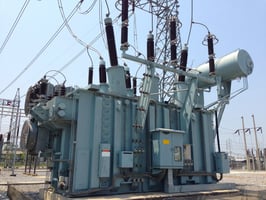
Distribution transformers, which step down voltage to usable levels for homes and businesses, are essential. The United States already has over 60 million distribution transformers installed across the grid, with millions more added each year. As renewable energy sources expand and electrification accelerates, I expect transformer installations to increase.
For me, growth is about quality, efficiency, and quantity.
DOE Efficiency Standards: Small Percentages, Big Impacts
In April 2024, the U.S. Department of Energy finalized new efficiency standards for distribution transformers, which will take effect in 2029. These standards aim to reduce electrical losses, enhance grid resiliency, lower electricity costs, and decrease emissions. The DOE projects $14 billion in cost savings and 85 million tons of CO₂ reductions over 30 years.
Efficiency gains might seem small, often measured in tenths or hundredths of a percent, but their effects are significant. When you’re dealing with nearly 4,000 terawatt-hours of electricity annually in the U.S., the cumulative impact of electrical losses matters—even a tenth of a percent. I emphasize that reducing losses cuts down on wasted generation, operational costs, and emissions at scale.
However, improving efficiency comes at a cost. Higher-efficiency transformers need more or upgraded materials, including additional conductor and core materials. The modeling I presented at POWERGEN showed that even a 0.03% increase in efficiency from current to future DOE standards can result in double-digit percentage increases in transformer mass and volume. These costs, fortunately, are recovered over time, resulting in net positive cost benefits across the total cost of ownership.
Copper’s Expanding Role
Transformer windings are composed of copper or aluminum conductors. As efficiency standards increase, the modeling study I presented evaluated how copper and aluminum systems compare across different power sizes and core materials.
The findings were clear to me: as efficiency increases, copper systems gain measurable advantages. Based on my modeling results, copper always has a size advantage due to its higher conductivity. Because copper conducts electricity more efficiently than aluminum, it enables smaller, more compact transformer designs.
According to my modeling results, improvements in efficiency lead to significant increases in total transformer mass, core mass, and tank volume. However, as efficiencies improve, the total mass shifts in favor of copper. In practice, I see copper-based designs achieving higher efficiency with relatively small increases in size and weight, resulting in transformers that are not only smaller with copper conductors but also lighter.
From my modeling comparison of past, current, and future DOE standards, each incremental increase in efficiency costs more than the last. As requirements tighten, I believe material choices become even more critical.
Core Materials and Design Tradeoffs
The DOE standards may also lead to changes in core materials. I expect some applications to shift from grain-oriented electrical steel (GOES) cores to amorphous alloys. While amorphous cores can lower losses, they often increase total weight and tank volume.
My modeling for 2,500 kVA transformers showed that switching from GOES to amorphous cores can significantly increase core weight and tank size, even though winding weight may decrease. I found that conversions from GOES to amorphous cores can negate additional conductor mass requirements but add significant core mass and size.
To me, these tradeoffs highlight a larger point: efficiency improvements affect every part of the transformer system. Conductor material, core material, size, weight, and cost are all linked.
Domestic Supply and Import Pressures
While my technical modeling emphasizes copper’s performance advantages, I recognize that market dynamics add another layer of complexity.
The U.S. imports a large share of its transformers, especially large power transformers and specialty units. Distribution and small power transformers account for a significant share of both purchases and domestic production, representing more than half of the copper used in domestically made transformers.
At POWERGEN, many discussions centered on supply bottlenecks. I repeatedly heard that the grid urgently needs more transformers. Millions of distribution transformers have been backlogged for years, despite the rapid pace of electrification. With domestic capacity limited, imports have increased in certain categories.
For copper, I see both a challenge and an opportunity. As global demand for transformers increases, so does demand for copper.
A 50% Increase in Global Copper Demand
The broader outlook reinforces what I see happening across the industry. According to projections I cited in my presentation, the world will need 50% more copper by 2040 to meet demand, with about half of that growth linked to electrification, including transformers.
Transformers are key components of the power grid, and I see demand for electrification booming. As transformer sales increase and efficiency standards tighten, overall copper demand in transformers also rises.
To me, the conclusion is clear: copper is not just a material input—it is an enabler of grid reliability, efficiency, and decarbonization.
Copper as the Backbone of the Energy Transition
The energy transition requires more power, more infrastructure, and greater efficiency. It needs materials that can achieve performance improvements without compromising size, durability, or reliability. I believe copper’s conductivity, thermal performance, and design versatility make it a key component of modern transformer technology.
As DOE standards take effect in 2029 and electrification continues to grow, I am confident that copper’s role in the transformer market will only grow. Increased efficiency gives copper the advantages of smaller sizes and lower mass.
Frequently Asked Questions
What do the new DOE distribution-transformer efficiency standards require, when do they take effect, and why do such small efficiency gains matter?
Finalized in April 2024 and taking effect in 2029, the standards tighten allowable losses in distribution transformers to reduce wasted energy, strengthen grid resiliency, lower costs, and cut emissions. Even tenths or hundredths of a percent matter because the U.S. consumes nearly 4,000 TWh of electricity annually—so small percentage improvements, applied across millions of units, compound into large system-wide benefits. The DOE projects $14 billion in cost savings and 85 million tons of CO₂ reductions over 30 years.
How will tighter efficiency standards change transformer designs and material needs?
In my experience and modeling, achieving higher efficiency typically requires more or upgraded materials. Designs require additional conductor and core material and may result in increases in total transformer mass, core mass, and tank volume. Even a 0.03% increase in efficiency from current to future standards can drive double-digit percentage increases in mass and volume. Each successive step up in efficiency also tends to cost more than the last.
Why does copper gain an advantage over aluminum as requirements tighten?
Because copper’s higher electrical conductivity allows a given performance target to be met with smaller, more compact windings. As efficiency thresholds rise, my modeling indicates that copper-based systems can meet the targets with relatively smaller increases in size and weight than aluminum. Consequently, the mass balance shifts in favor of copper as designs push to higher efficiencies.
What are the tradeoffs between grain-oriented electrical steel (GOES) and amorphous metal cores?
Amorphous cores can significantly reduce core losses, helping meet stricter efficiency targets, but they often increase core mass and tank volume. In my modeling of 2,500 kVA units, switching from GOES to amorphous raised core weight and tank size, even if conductor winding weight declined. In some cases, the reduced need for added conductor is offset by a larger, heavier core, highlighting that core choice, conductor material, size, weight, and cost are tightly linked. Specific shifts in mass and volume are detailed in the presentation.
How do electrification and supply dynamics affect the transformer market and copper demand?
The electrification of transport, buildings, industry, and data centers is increasing loads and accelerating transformer installations—on top of the existing U.S. base of 60+ million distribution transformers. Persistent backlogs, limited domestic capacity, and reliance on imports intensify supply pressures. Because distribution and small power transformers represent a large share of units and more than half of the copper used in domestically made transformers, rising volumes and tighter standards point to significantly higher copper demand. I cited projections indicating global copper demand could grow by about 50% by 2040, with roughly half tied to electrification, including transformers.
Adam Kotrba
Director of the Flat Products Council at the Copper Development Association
Adam Kotrba is the Director of the Flat Products Council at the Copper Development Association. With a strong background in automotive engineering, he began his career as a Test Engineer at General Motors. He later worked at Tenneco, leading the Advanced Engineering team and focusing on engine exhaust emissions controls. Kotrba holds over 20 patents and has published 50 technical papers, contributing significantly to diesel exhaust systems. He earned his Bachelor of Science in Mechanical Engineering from the University of Virginia and both a Master of Science and an MBA from Michigan State University. At CDA, he investigates copper use in data centers and has published findings on its per-megawatt power application, exploring its relevance in the context of rising AI-driven power and cooling demands.